


What Is HVAC and How Do HVAC Systems Work?
Introduction
Indoor comfort becomes difficult when heating and cooling systems stop working properly or fail to maintain the right temperature. Professional Hvac Installation helps homeowners create a comfortable, energy-efficient environment while improving indoor air quality. Understanding how HVAC systems work can help you make smarter decisions about maintenance, repairs, and long-term comfort for your home or business.
Let’s Discuss About What Is HVAC and How Do HVAC Systems Work:-
What Does an HVAC System Actually Do?
Ignoring Air Filter Changes Can Reduce Efficiency
How Does an HVAC System Heat and Cool Your Home?
Using the Wrong Thermostat Settings Wastes Energy
Why Is Proper Ventilation Important in HVAC Systems?
1. What Does an HVAC System Actually Do?
An HVAC system controls heating, cooling, and ventilation inside a building. It helps maintain comfortable indoor temperatures throughout the year while improving air circulation and humidity control. Modern systems are designed to make homes healthier and more energy efficient.
Main functions of an HVAC system:
Heating during cold weather
Cooling during summer months
Improving indoor air quality
Controlling humidity levels
Providing proper airflow throughout the property
These systems work together to create a balanced and comfortable indoor environment.
2. Ignoring Air Filter Changes Can Reduce Efficiency:
Many homeowners forget to replace air filters regularly, which can create several performance issues. Dirty filters block airflow and force the HVAC system to work harder than necessary. This increases energy bills and may shorten the lifespan of important components.
Problems caused by dirty filters:
Weak airflow
Higher utility costs
Dust buildup indoors
Poor indoor air quality
Increased system strain
Changing filters on time is a simple step that helps maintain healthy airflow and system performance.
3. How Does an HVAC System Heat and Cool Your Home?
HVAC systems use different components to regulate indoor temperatures. Furnaces generate heat, while air conditioners remove warm air from inside the home. Ventilation systems distribute treated air evenly through ducts and vents.
Homeowners often rely on professional HVAC Service providers to inspect these components and keep everything operating correctly throughout the year. Regular servicing also helps identify small problems before they become expensive repairs.
Important HVAC components include:
Thermostat
Furnace
Air conditioner
Ductwork
Ventilation system
Each part plays a major role in maintaining indoor comfort and efficiency.
4. Using the Wrong Thermostat Settings Wastes Energy:
Incorrect thermostat settings can cause your HVAC system to run longer than needed. Constant temperature changes force the unit to work harder and consume more electricity. Many people unknowingly increase their monthly energy costs because of poor thermostat habits.
Smart thermostat tips:
Keep temperatures consistent
Avoid extreme adjustments
Use programmable settings
Lower energy use when away
Schedule seasonal adjustments
Using smart temperature control can improve comfort while reducing unnecessary energy expenses.
5. Why Is Proper Ventilation Important in HVAC Systems?
Ventilation is one of the most important parts of any HVAC system because it controls airflow and indoor air quality. Proper ventilation removes stale air, odors, dust, and moisture from indoor spaces while allowing fresh air to circulate.
Benefits of proper ventilation:
Cleaner indoor air
Reduced humidity problems
Better airflow circulation
Improved comfort levels
Healthier living environment
Well-designed ventilation systems help create safer and more comfortable spaces for families and businesses alike.
Frequently Asked Questions
1. What does HVAC stand for?
Answer: HVAC stands for Heating, Ventilation, and Air Conditioning. These systems work together to control indoor temperature, airflow, and air quality in homes and commercial buildings.
2. How often should HVAC systems be serviced?
Answer: HVAC systems should typically be serviced at least once or twice a year. Regular maintenance helps improve efficiency, reduce energy costs, and prevent unexpected breakdowns.
3. Why is indoor air quality important?
Answer: Good indoor air quality helps reduce dust, allergens, and pollutants inside your home. Proper HVAC maintenance and ventilation improve comfort and support healthier breathing.
4. Can HVAC systems help lower energy bills?
Answer: Yes, energy-efficient HVAC systems and proper maintenance can significantly reduce electricity usage. Clean filters, smart thermostats, and regular inspections all help improve efficiency.
5. What are signs that an HVAC system needs repair?
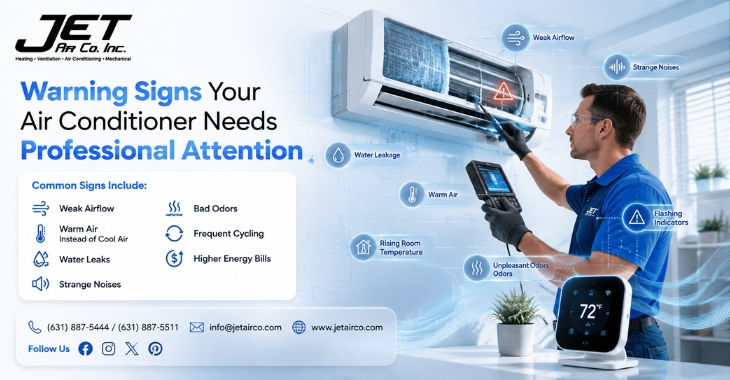
Answer: Common signs include unusual noises, uneven temperatures, weak airflow, rising utility bills, and unpleasant odors. These problems usually indicate the need for professional inspection and repair.
Conclusion
Understanding how HVAC systems work can help homeowners maintain better comfort, improve indoor air quality, and reduce long-term energy costs. Proper maintenance and professional care also help extend the life of your heating and cooling equipment. At Jetairco in the USA, experienced professionals are dedicated to delivering reliable solutions and trusted customer service. If you are searching for dependable Hvac Ventilation System Long Island solutions, now is the perfect time to connect with experts who can keep your home comfortable, efficient, and healthy throughout every season.

Comments