


How Flexible Financing Options Can Support Home Comfort Upgrades

Upgrading an air conditioning system can improve indoor comfort, support energy efficiency, and help homeowners prepare for changing seasonal temperatures. However, the cost of purchasing and installing new equipment may require careful financial planning. Flexible financing options can help eligible homeowners spread expenses over time, depending on the available terms and approval requirements. Understanding these options, comparing costs, and evaluating household needs can make the decision more manageable. Jetairco offers HVAC services in the USA, helping homeowners explore cooling solutions and plan for their home comfort needs.
Let's Know About The Content:-
Why Should Homeowners Consider Financing For Comfort Upgrades?
How Can Flexible Financing Make AC Upgrades More Manageable?
What Should Homeowners Evaluate Before Choosing A Financing Plan?
How Can HVAC Professionals Help Homeowners Plan System Upgrades?
When Is Financing A Practical Option For Replacing an Air Conditioner?
1. Why Should Homeowners Consider Financing For Comfort Upgrades?
A new air conditioning system can represent a significant household expense, particularly when installation or additional electrical work is required. Financing may provide an alternative to paying the entire cost upfront, allowing eligible homeowners to divide payments across an agreed period. Before making a decision, homeowners should consider their budget, the condition of their existing equipment, and the long-term value of the upgrade.
Managing Unexpected Replacement Costs
An aging air conditioner may develop recurring problems, lose cooling performance, or require increasingly frequent repairs. If replacement becomes necessary, financing may help homeowners manage the initial expense while addressing their cooling needs. Reviewing Air Conditioner Financing Northport options can help homeowners understand available payment arrangements, eligibility requirements, interest rates, and repayment terms before committing.
2. How Can Flexible Financing Make AC Upgrades More Manageable?
Flexible financing arrangements may offer different repayment periods and payment structures, depending on the provider and approval conditions. These options can help homeowners plan for an equipment upgrade without disrupting their household budget as significantly as a large immediate payment might.
Planning Payments Around Household Budgets
Before selecting a financing arrangement, homeowners should review their monthly expenses and determine a comfortable repayment amount. It is important to consider the total amount payable, including interest, fees, and any applicable charges. A lower monthly payment may involve a longer repayment period and a higher overall cost.
Comparing Available Financing Terms
Homeowners should compare the annual percentage rate, repayment duration, payment schedule, and any promotional conditions. They should also understand what happens if a promotional period ends or a payment is missed. Carefully reviewing the agreement can help homeowners make informed decisions and avoid unexpected financial obligations.
3. What Should Homeowners Evaluate Before Choosing A Financing Plan?
Choosing a financing plan involves more than comparing monthly payments. Homeowners should consider the air conditioner's efficiency, system size, installation requirements, warranty coverage, and the provider's financing conditions. A well-planned upgrade should address the household's actual cooling needs while remaining financially manageable.
Understanding Equipment and Installation Costs
The total cost of an air conditioning upgrade may include the equipment, labor, removal of an existing unit, electrical adjustments, and other installation requirements. Requesting a detailed estimate helps homeowners understand which services are included and whether additional charges may apply.
Reviewing Long-Term Value
An energy-efficient system may offer potential operating-cost benefits, although actual savings depend on the equipment, local energy rates, home insulation, climate, and usage patterns. Homeowners should compare the purchase price and expected operating expenses rather than choosing a system based on its initial cost alone.
4. How Can HVAC Professionals Help Homeowners Plan System Upgrades?
HVAC professionals can assess an existing system, identify performance concerns, and explain suitable replacement options. Their recommendations can help homeowners understand whether a repair, maintenance service, or complete replacement is appropriate for their circumstances.
Evaluating Existing System Performance
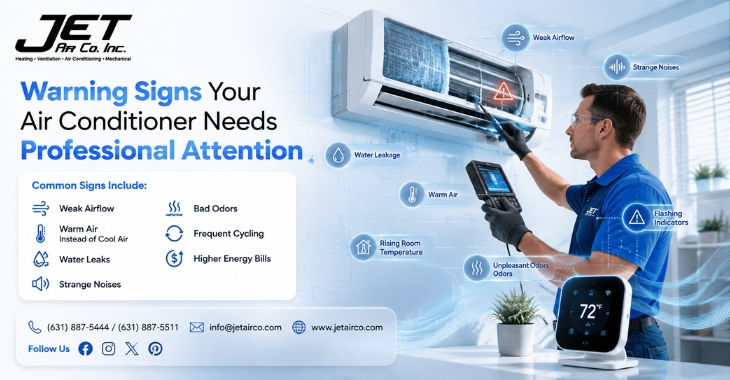
A professional inspection can identify issues such as worn components, inconsistent cooling, unusual noises, and repeated operating problems. For homeowners exploring HVAC repair services Long Island, a qualified technician can assess the equipment and explain available repair options before a replacement decision is made.
Selecting a Suitable Cooling System
Choosing an appropriately sized system is important for consistent indoor comfort and efficient operation. HVAC professionals can consider the home's layout, insulation, cooling requirements, and existing equipment when discussing replacement options. Homeowners should also ask about installation procedures, warranties, maintenance recommendations, and available financing arrangements.
5. When Is Financing A Practical Option For Replacing An Air Conditioner?
Financing may be worth considering when an air conditioning system requires replacement and paying the full cost upfront would place pressure on the household budget. However, it is not automatically the right choice for every homeowner. The decision should depend on the urgency of the replacement, available savings, financing costs, and the household's ability to make regular payments.
Balancing Repairs and Replacement
If an air conditioner has a minor, isolated issue, a repair may be more economical than replacing the entire system. When equipment is older, experiences repeated failures, or no longer meets household cooling needs, replacement may deserve consideration. A professional assessment can help clarify the options and their likely costs.
Making an Informed Financial Decision
Before accepting a financing offer, homeowners should read the agreement carefully, verify the total repayment amount, and assess whether the monthly commitment fits their budget. They should also compare available payment options and avoid assuming that promotional financing is interest-free unless the written terms confirm it. Air Conditioning Repair may remain a suitable solution for some systems, while replacement may be more appropriate for others.
Frequently Asked Questions
1. What is air conditioner financing?
Air conditioner financing is a payment arrangement that allows eligible homeowners to spread the cost of purchasing and installing cooling equipment over an agreed repayment period. Terms, rates, and approval requirements vary by provider.
2. Can financing cover both the air conditioner and installation?
Some financing arrangements may cover equipment and installation costs, while others may have specific limitations. Homeowners should confirm the eligible expenses and total approved amount before proceeding.
3. What should homeowners compare when reviewing financing options?
Important factors include the interest rate, annual percentage rate, repayment term, monthly payment, fees, promotional conditions, and total amount payable. Homeowners should review the complete agreement before accepting an offer.
4. Should homeowners repair or replace an aging air conditioner?
The decision depends on the system's age, condition, repair history, efficiency, and cost of necessary work. A qualified HVAC technician can inspect the equipment and explain the practical options.
5. Does financing guarantee approval for an air conditioning upgrade?
No. Financing approval depends on the provider's eligibility criteria, application review, and applicable terms. Homeowners should confirm their eligibility and understand all repayment obligations before signing an agreement.
Conclusion
Flexible financing options may help homeowners plan for air conditioning upgrades by spreading eligible expenses over time. Comparing repayment terms, understanding installation costs, and assessing the condition of existing equipment are important steps toward making a suitable decision. Professional HVAC guidance can also help homeowners evaluate whether repair, maintenance, or replacement best meets their needs. In the USA, Jetairco helps homeowners explore cooling solutions and understand their HVAC service options while planning for greater indoor comfort.

Comments